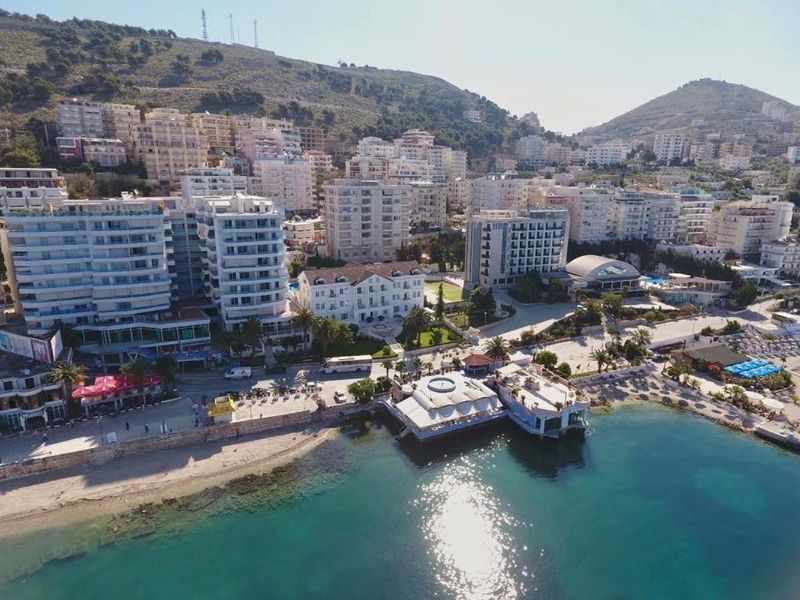
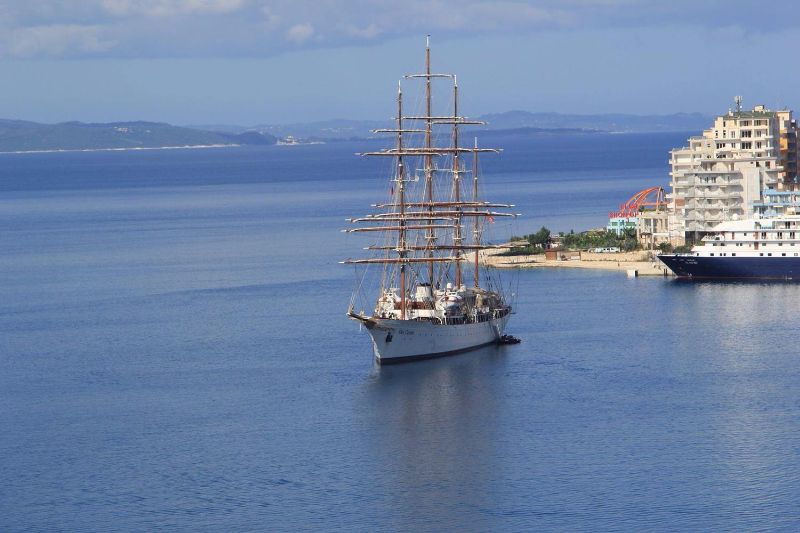
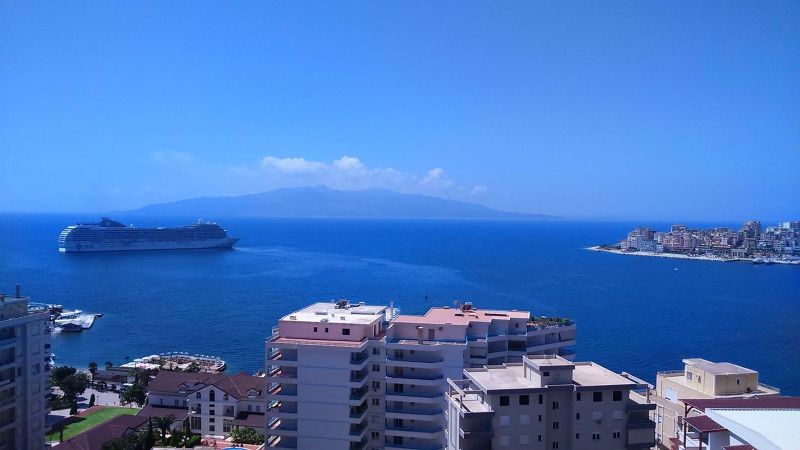
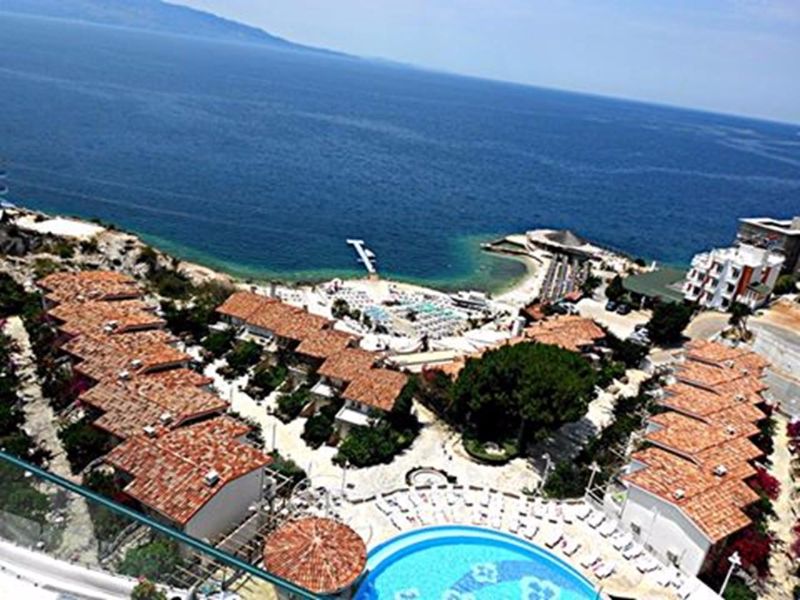
Holidays - hotels in Sarande Albania
Three hypotheses about the origin of the name of Tirana
1. "Tiranë" is thought to come from the word "Theranda", mentioned in the ancient Greek and Latin sources, which the locals called "Te Ranat", as the field was formed as a result of solid materials that brought water from the surrounding mountains.
2. "Tirana" comes from "Tirkan". Tirkan has been a castle on the slopes of Mount Dajti. To this day there are ruins of this ancient fortress dating back to the beginning of the first century BC. This is thought to have been the fortress that Byzantine historian Prokop, (VI century), calls it the Tirqan Castle.
3. "Tirana" comes from old Greek, "Tyros" meaning dairy. It is thought that this variation has remained due to the marketing of dairies from the grass-roots surrounding areas in the field of Tirana.
Tirana was proclaimed Albania's provisional capital on 9 February 1920 by the Congress of Lushnja and members of the National Council entered the city on February 11, 1920. Eventually Tirana was declared the capital of Albania in 1925 by the Constitutional Assembly.
In the History of the Albanian People, "The Period of Independence (28 November 1912 - 7 April 1939), on page 249 mentions the proclamation of the Albanian Republic by the Constitutional Assembly and the approval of the statute or constitution of the republican, in which Tirana is finally declared the capital of Albania.
"In Tirana, on the contrary, the opposition of Esat Pasha Toptani has been eliminated for the time being he was an opponent of the government of Durres. Even though Tirana had a population equal to that of Elbasan, there were better conditions for government bodies. There were more large buildings, more public places, more extensive roads, more hotels. Considering these Factors, the Lushnja government made a decision on February 9, 1920, to temporarily place the capital of Albania in Tirana, leaving open the question of the final settlement of the capital when the first constitutional assembly was convened. With the approval of all members of the Lushnja Congress, the members of the High Council, together with members of the government and the National Council, entered February 11, 1920 in Tirana, after the Italian army departments had left the city and settled in Durres . The inhabitants of Tirana enthusiastically welcomed the entry of senior state organs into the temporary capital of Albania, which the constitutional assembly of 1925 declared
Eventually its capital. However, Tirana's life as Albania's capital begins on February 11, 1920.